What an Immersive Experience Actually Is
The word "immersive" has become one of the most overused terms in brand marketing, applied to everything from a slightly larger-than-average pop-up display to genuinely transformative multi-sensory environments. This dilution makes it harder to have a productive conversation about what immersive experiences are, what they can achieve, and what differentiates a technically sophisticated installation from one that is merely described as immersive in a press release.
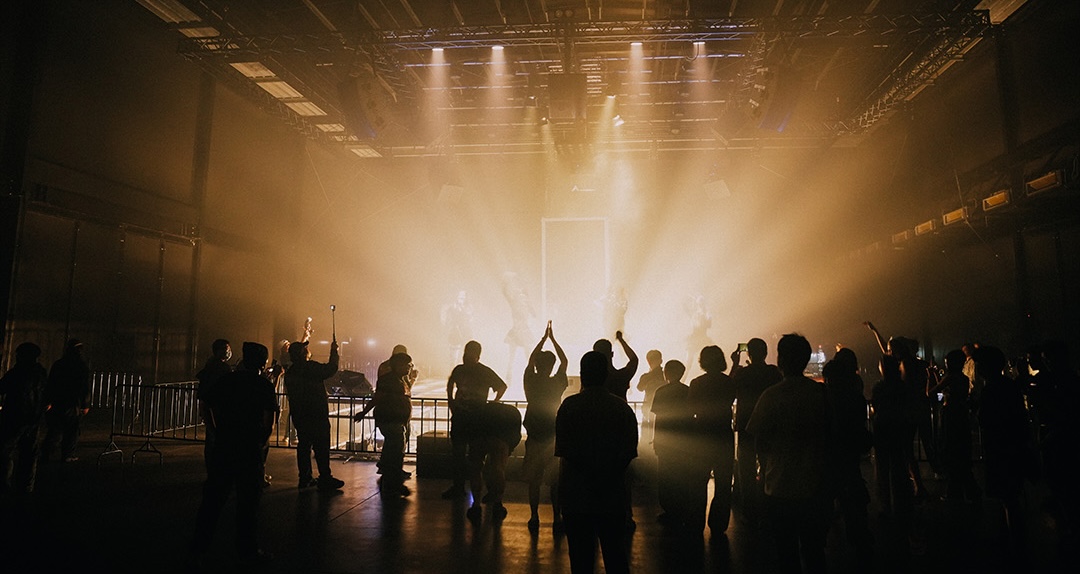
A useful working definition: an immersive experience is one where the technology and environment work together to place the participant inside the narrative, rather than positioning them as an external viewer of it. The transition from spectator to participant is the design goal. Everything else — the projection mapping, the interactive sensors, the spatial audio — is infrastructure in service of that transition.
The Main Categories
Projection Mapping
Projection mapping — the technique of projecting imagery onto three-dimensional surfaces with geometric correction that makes the image appear painted onto the architecture — is the most visually dramatic and publicly accessible form of immersive technology. A building facade that seems to crumble, transform, or flow with light; a product launch where the object itself appears to come alive; a gallery installation where walls become moving paintings.
The technical requirements are significant: high-lumen projectors, precision calibration software, and content that is designed in three dimensions accounting for the exact geometry of the projection surface. The content pipeline for projection mapping is fundamentally different from standard video production — it requires spatial awareness baked into every design decision.
Interactive Installations
Sensor-driven interactive installations respond to participants — their movement, touch, proximity, or even physiological signals — to create environments that evolve in response to the people inside them. The spectrum ranges from simple motion-triggered displays at one end to complex systems where multiple participants jointly influence a shared environment at the other.
The design challenge is feedback loop clarity: the system needs to respond in ways that feel meaningful rather than random, creating a legible relationship between what the participant does and what the environment does in response. When this works well, it creates genuine engagement. When it does not, participants stand in front of a system without understanding how to interact with it, or worse, interact with it and feel that the response is disconnected from their action.
Immersive Rooms and LED Environments
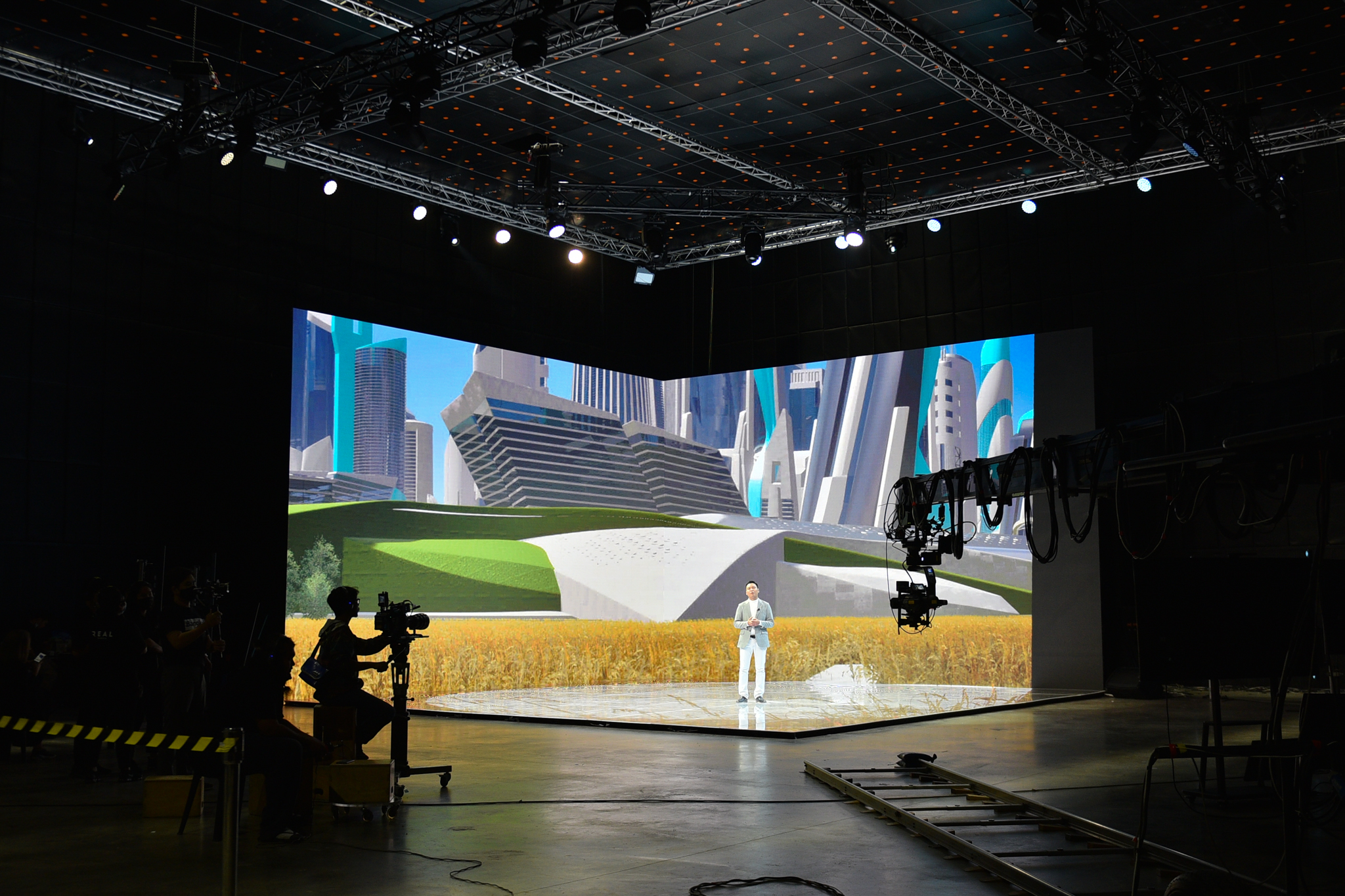
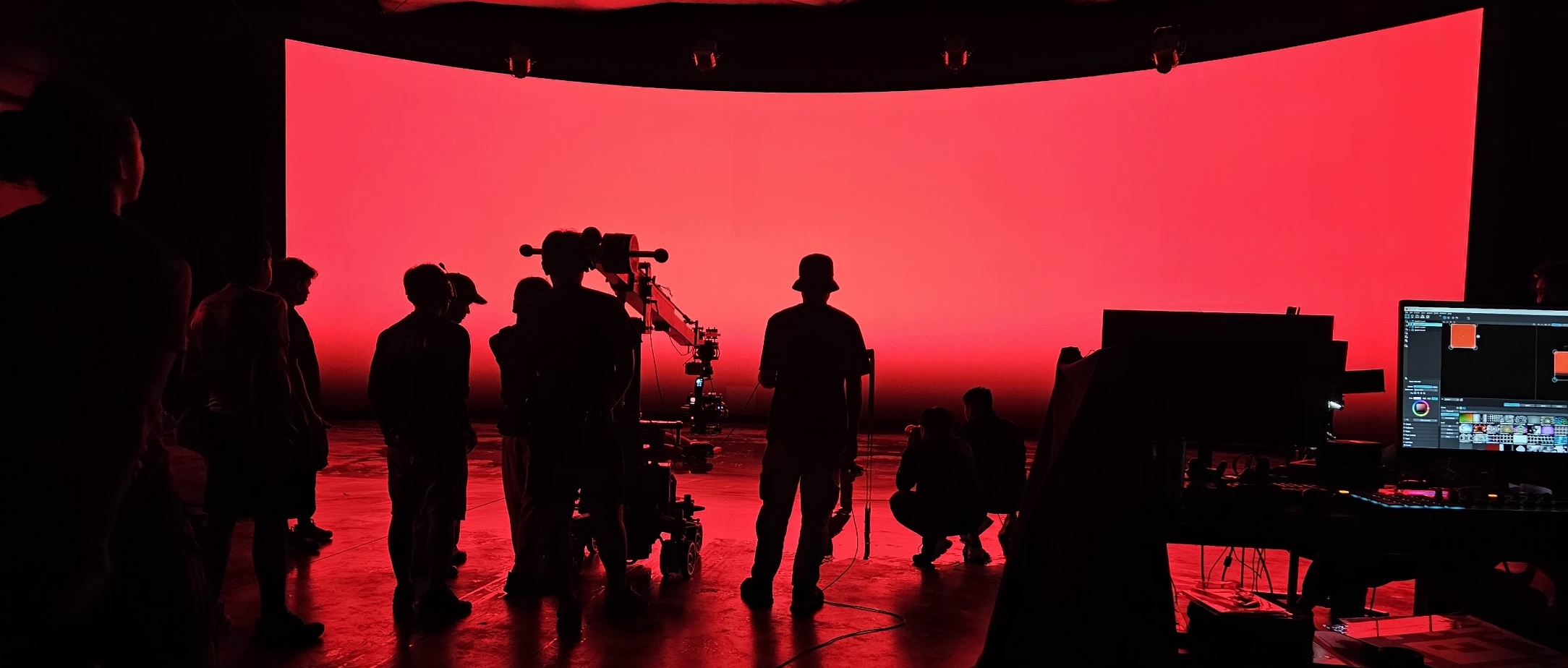
The 360-degree LED room — where every wall, floor, and sometimes ceiling surface is an active display — has become a signature format for brand experiences in the past three years. When designed with content built specifically for the spatial format, these environments create genuinely powerful sensory experiences: complete visual transport to another place, scale and depth that passive displays cannot replicate, and a photographic backdrop that produces content-ready imagery for every participant.
The photographic element is commercially significant. A well-designed immersive room produces shareable imagery and video as a byproduct of the experience. Participants become content creators documenting the brand environment, extending reach far beyond the physical attendance numbers.
Large-Scale Permanent Installations
Beyond activations and events, immersive technology is finding permanent homes in retail flagships, hospitality properties, cultural institutions, and public space. These require a different technical approach — systems designed for unattended, continuous operation, remote monitoring, content management interfaces accessible to non-technical staff, and hardware specifications that account for years of operation rather than days.
ROI for Brands: How Immersive Experiences Create Commercial Value
Brand investment in immersive experiences is not charity for the creative technology sector. Brands allocate significant budgets to these projects because they generate returns that conventional advertising formats struggle to match.
The primary mechanism is dwell time and attention depth. A billboard earns a fraction of a second of attention. A social media post earns a few seconds. An immersive experience that fully absorbs a participant for 10–20 minutes creates a qualitatively different relationship with the brand — one backed by direct sensory memory rather than passive exposure. Neuroscience research on memory encoding consistently shows that embodied, multi-sensory experiences form more durable and emotionally charged memories than visual-only media consumption.
The secondary mechanism is the content economy. A well-executed immersive experience generates a volume of participant-created photography and video that functions as earned media. When 500 people attend an experience and each posts one image or video to social channels, the effective reach may exceed the reach of the paid media campaign that drove attendance. The content is also authentic — peer endorsement rather than advertising.
The tertiary value is press and industry attention. New formats in markets where they are uncommon attract disproportionate coverage. Thailand and Southeast Asia are still early in the adoption curve for sophisticated immersive experience design, which means well-executed projects here earn coverage that would not be available in markets where immersive experiences are more commonplace.
The Thailand and Southeast Asia Market
Thailand occupies an interesting position in the regional immersive experience market. Bangkok is home to a concentrated, brand-conscious consumer market, a strong event production industry, and a creative community with significant technical and artistic depth. The combination creates conditions where immersive experiences can be conceived, built, and operated at quality levels comparable to global major markets, at costs that reflect the regional production environment.
Regional expansion — to Singapore, Kuala Lumpur, Jakarta, Ho Chi Minh City — follows a similar pattern: growing middle-class consumer markets, increasing brand marketing sophistication, and limited existing supply of genuinely high-quality immersive experience infrastructure. The brands that establish presence and expertise in this space now are positioned ahead of the adoption curve that established markets suggest is coming.
Technology and Creative Partnership
The most consistent failure mode in immersive experience projects is the separation of technology decisions from creative decisions. Technology teams build systems that content designers then struggle to use effectively. Content is created without reference to the physical properties of the space or the technical constraints of the projection or display system. The result is an experience that is technically functional but creatively underwhelming.
The most successful projects treat technology and creative direction as a single integrated discipline. The system architecture is designed to serve the creative intent. The creative intent is developed with full awareness of what the technology can and cannot do. This requires a production team where these capabilities exist in dialogue — engineers who understand narrative, creatives who understand systems.
This is not a staffing consideration that resolves itself. It requires deliberate collaboration from the first briefing conversation through to the final calibration session before doors open. The installations that participants remember months later are the ones where someone held both of those threads together from beginning to end.